
Analogue vs Digital Audio Processing: How to Get the Best of Both Worlds
In modern-day recordings, capturing audio in the digital realm and preserving all its details is paramount. One of the most important aspects of working in digital audio is ensuring that the signal captured by the computer retains all the quality, even when processed digitally. That’s why the quality of our analogue processors is as important as our digital ones. But can we process the audio in the digital domain and get the sound we love from analogue equipment?
In the early days of digital audio, certainly not. In fact, many engineers and producers considered this format aseptic, lifeless, and even described it as brittle. But as computer power increased and digital technology improved, digital workflow became the norm, changing the recording and producing process forever. But the question still resonates in forums and audio circles, but why? What’s the difference between analogue audio processing and digital audio processing?
In this article, we want to help you understand the difference between working in the analogue realm and the digital domain and how to get the best of both worlds.
What Are Analogue Audio Processors?
Every time audio passes through any analogue equipment, such as preamps, equalizers, compressors, or summing devices, the signal is modified by the circuits, cables, and passive or active components. That is why all of those devices are known as analogue audio processors. They carry all the work done in the analogue domain, adding and removing elements from the electrical signal, and are responsible for the well-spoken cohesion, color, and bigger-than-life sound characteristic of analogue work.
Types of Analogue Audio Processors Used in Modern Productions
Analogue audio processors include preamps, compressors, analogue consoles, summing mixers, tape machines, and analogue delays. Every time one of these elements gets added to the audio chain, the analogue signal changes. Even when no equipment parameter is modified, each electronic component in these devices leaves its signature on the audio waveform as the signal passes through it. That’s why having high-quality and well-designed circuits makes the difference when it comes to getting the best sound for any analogue audio application.
Digital vs Analogue Audio Processing: Pros, Cons and Workflow Tips
When we process audio in the digital domain, the computer performs calculations based on the input data and the software code. As with any other formula, we can return to the original data by reversing the calculations. If a vocal sounds too overcompressed after processing, going back to a previous version or comparing it with a different setting is as easy as pressing one button. That is part of the charm of working in digital. Once the analogue signal is captured by the computer, it can be modified, combined, or altered in any way, and still return to the original form with no penalty.
Instead, in the analogue realm, there is no “undo”. Any fader movement or analogue audio processor chosen will create a texture that will only move forward in the chain until it reaches the recording media.
That is why, when we start working with digital audio, our computer needs a trustworthy audio interface to capture all the details of the analogue sound. That ensures the highest-quality audio information for use in the digital domain.
Analogue emulations. The best of both worlds
The great thing about modern digital audio is that, by studying any analogue equipment, we can create plugins that emulate its processing and produce a digital version that processes the audio almost indistinguishably from the real device. This has opened the possibility of recreating the classic sound of compressors, consoles, and preamps with a simple mouse click. Not only that, but thanks to modern computer power, instead of having only a few of these devices and processing a limited number of tracks through them, we can now add as many instances of the plugins as possible simultaneously and create the virtual studio we always dreamed of.
Sonimus’ ethos
At Sonimus, we take pride in creating the very best analogue vintage-sounding plugins using advanced digital signal processing techniques. Our objective is to provide engineers, producers, and musicians with the tools to achieve the analogue sound they love, delivering the best audio quality on the market.
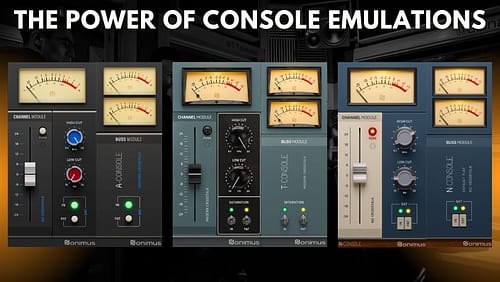
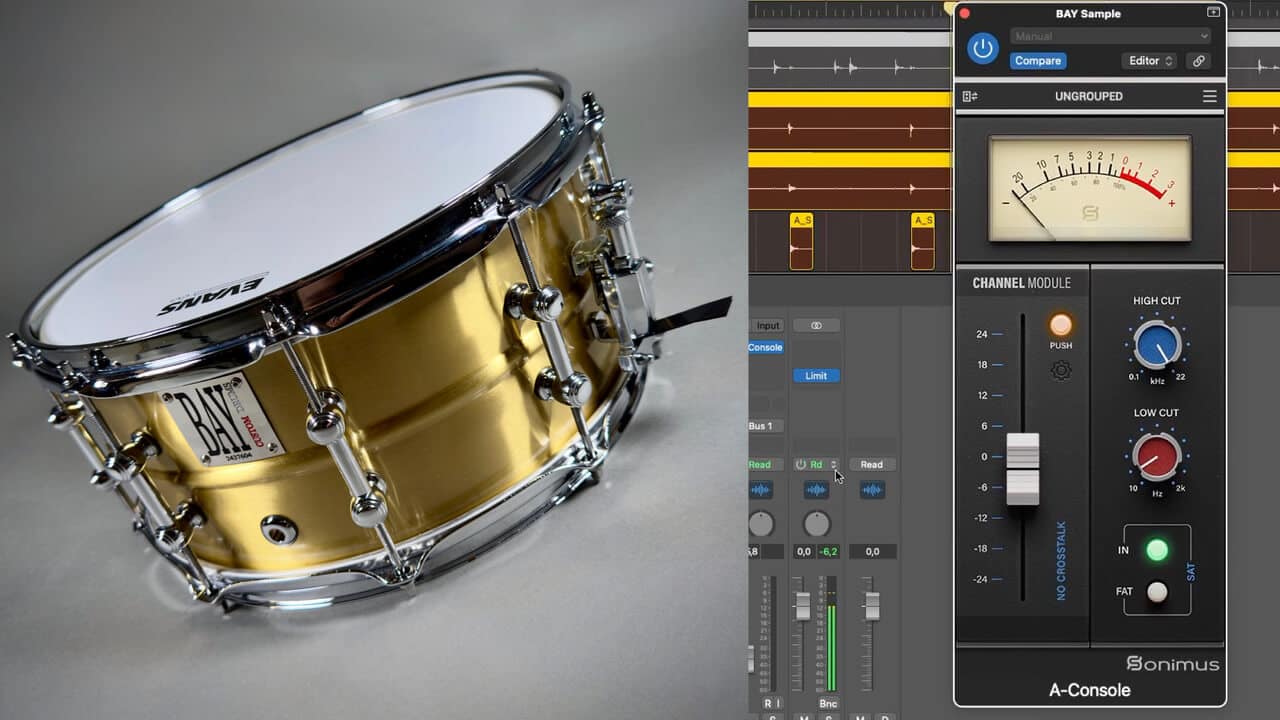
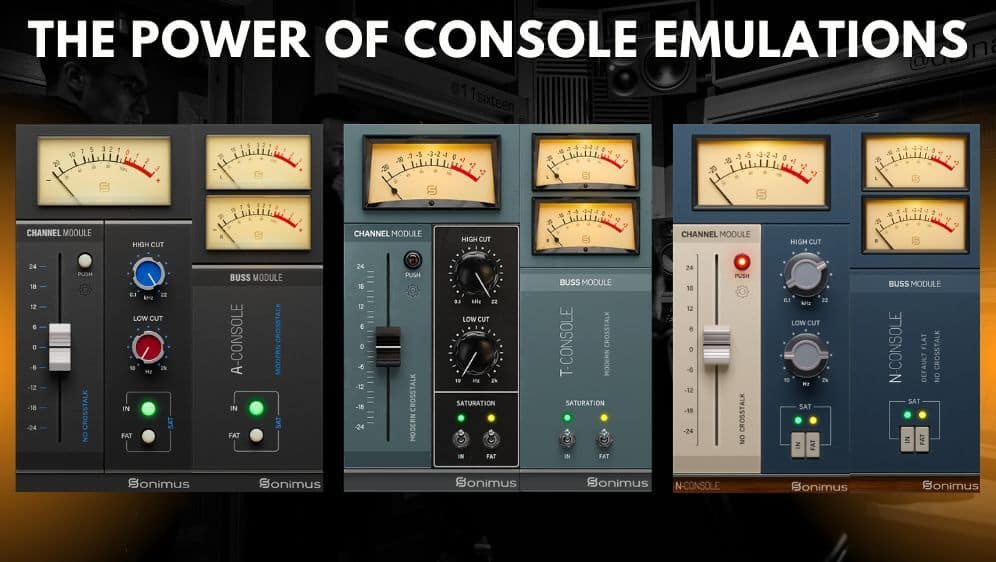
Instead of emulating individual pieces of equipment, we try to come up with original designs that combine the best of the analogue world while taking advantage of the flexibility of a digital workflow. Plugins like TuCo, SonEQ, or any of our Console Emulations deliver the analogue sound qualities and harmonics sought after on every music record, while providing modern digital tools such as A/B, presets, oversampling, and stereo behavior.
What is your favorite analogue piece of equipment? How would you like to see it in a digital format? Let us know in the comments, and subscribe to our newsletter to learn more about modern-day production.






Leave A Comment
You must be logged in to post a comment.