
Mixing Vs Production: What’s the difference?
More often than not, when people hear the word producer, they think about the person in charge of recording and mixing the music. While this is true in many cases nowadays, it’s not necessarily correct all the time. In fact, back in the day, the producer wasn’t involved in placing any microphone or touching any fader.
So, how come most people mix these three roles as one? What does the producer do, and how does it work with the recording and mixing engineer?
To answer these questions, we need to travel back in time.
A bit of history of Music Production
In the 1960’s, the producer worked for the record label and ensured that the music recorded by the artist aligned with the label’s vision. The producer was the person with the final say on how the music should sound, even with no musical or technical knowledge.
On the other hand, the recording engineers were responsible for placing the microphones and ensuring all audio was recorded correctly, while the mixing engineer was responsible for leveling the console’s tracks according to the producer’s direction.
But as time passed, the lines between these roles began to blur. A good example is what happened with the Beatles and George Martin at EMI studios, where the Fab Four went from not being allowed in the control room to putting their feet on the console and making creative decisions about how the records should sound.
Artists and engineers began producing as they realized they could combine their musical and technical knowledge to make better records. All of a sudden, the artist was the producer, recording and mixing the whole album, having full control over the creative process.
The role of a modern-day music producer
So where does this take us? Is the figure of the producer still relevant? And if so, what do they do?
Strictly speaking, a producer is the person who facilitates the process of making a record. This means that they help turn the idea of a recording into a reality. It involves talking with the artists and developing an idea for the album, EP, or single from both artistic and technical perspectives. Organizing when, where, and how the music will be recorded, and as we mentioned, it can involve recording or mixing. But it can also be the person who communicates with the engineers and directs them to achieve the desired result.
In this regard, understanding recording techniques, mic positioning, signal flow, and digital audio processing is important for achieving the best possible production or for effectively communicating with engineers, ensuring everybody involved is on the same page.
More than Producing Music
However, the role of the music producer goes beyond the recorded music. The producer is a facilitator. A helping hand to get the best performance out of the talent. This involves talking with the artist, understanding their motivations and insecurities, and helping them turn their ideas into reality. If they have a blockage performing a song or writing lyrics, the role of the producer is to help them break that barrier, by scheduling breaks, making them look outside the box, or, like Sylvia Massy did with System of a Down, making them run around the block to get the angrier performance possible.
Is mixing and producing two completely different processes?
The short answer would be yes, but in the same way the roles of producer, engineer, and even artist have blurred and mixed with each other over history, we can say the same about mixing and producing.
Modern digital recording, affordable professional audio tools, and computer processing opened an era in which producers and artists write, record, and produce their music simultaneously. Back in the day, an artist would come up with a song and record some kind of demo, then rehearse it with the musicians and finally go to the studio to record it. Others would work in the studio for months until the record was done. Nowadays, a producer or artist can come up with an idea for a song inspired by the actual sound they are going to record in the ease of their home, or capture an idea, and play around with the textures and sounds until it becomes a full song.
Remote collaboration is a reality with plenty of tools available that let people record vocals thousands of miles away from each other while tweaking a mix and getting instant feedback from every collaborator. Even from their phones.
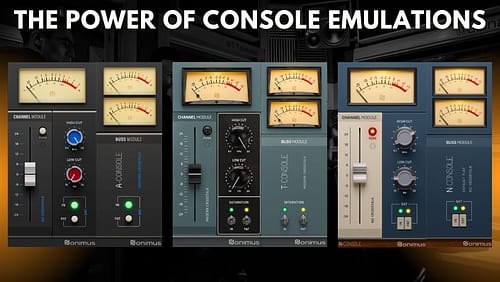
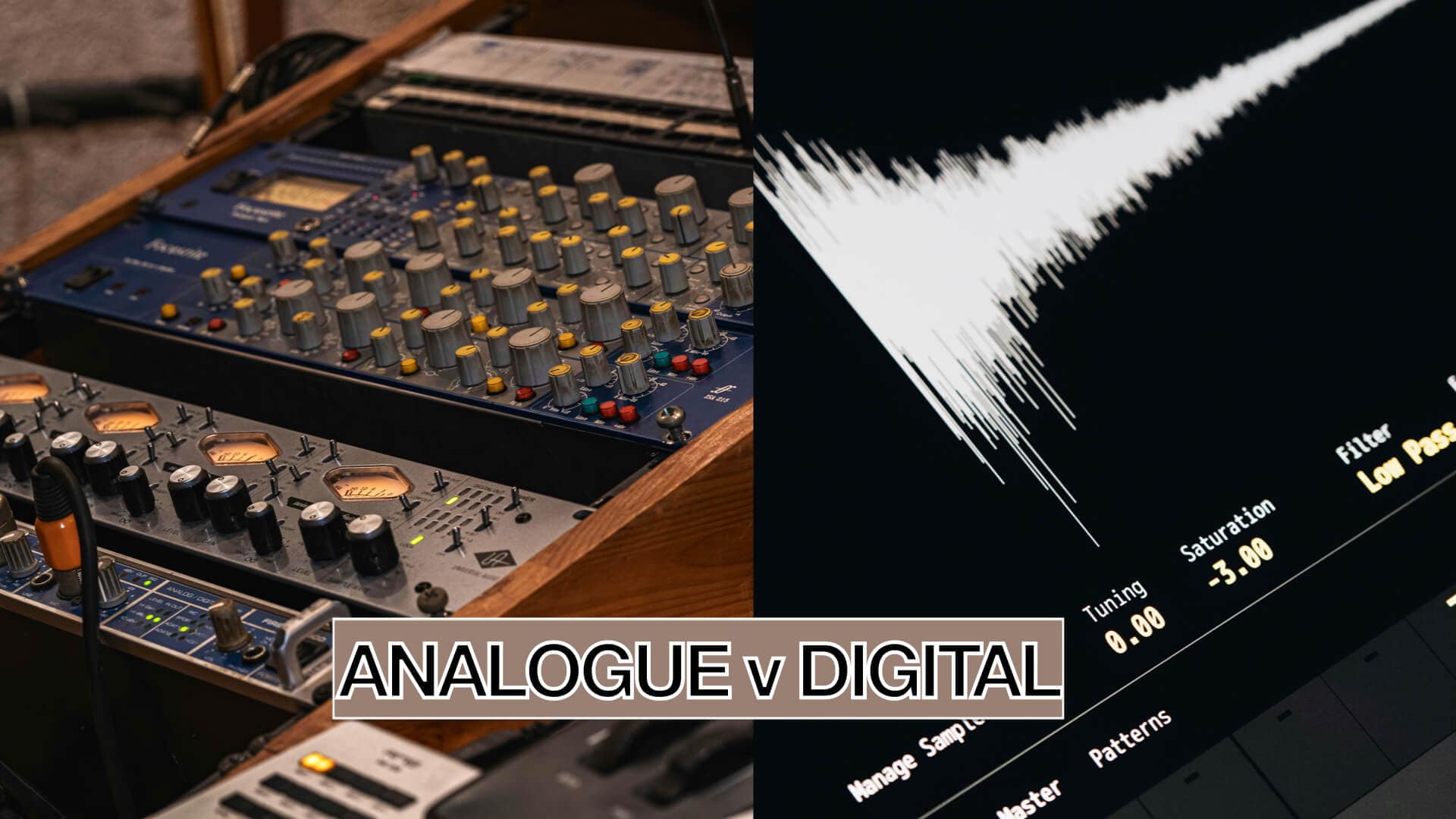
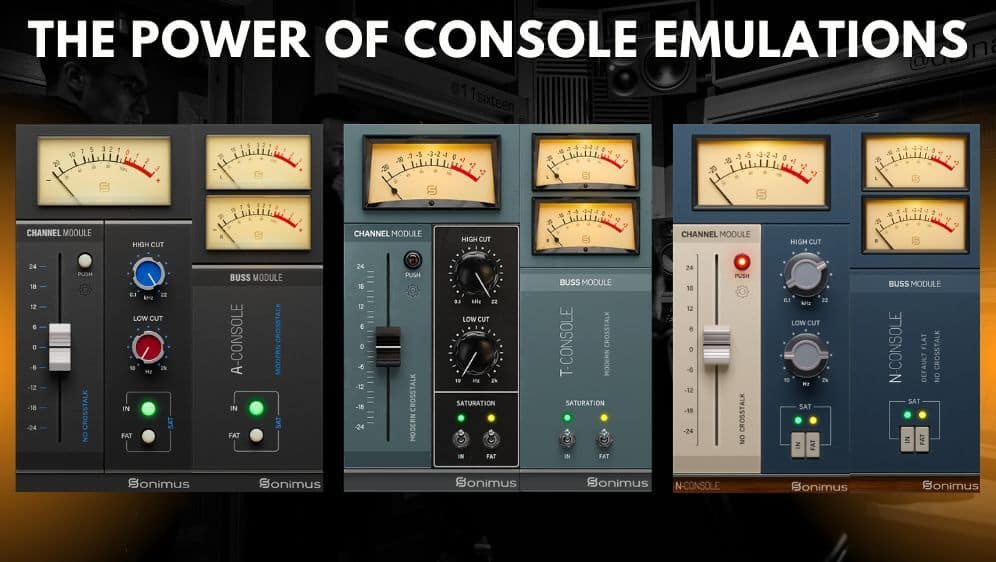
Thanks to digital audio processing, we can even emulate the sound and workflow of mixing in a real analogue console or classic analogue equipment without the limitations of channel counts or external routing. Tools like Sonimus’ Console Emulations, TuCo or SatsonCS let producers, engineers, and artists mix their songs with the character of classic analogue equipment right in their computers, giving them professional, hit-making sounds in seconds.
Do you produce while recording or mixing, or prefer to separate each process? Let us know in the comments and subscribe to our newsletter to know more about music production, mixing and Sonimus’ plugins.






Leave A Comment
You must be logged in to post a comment.